
Car
The car's history began with steam power as
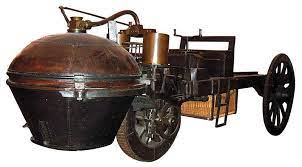
early as 1770. The Frenchman Joseph Cugnot built a steam-powered tank for
the French army. However, the steering mechanism did not work any further so
in 1771 they were driven into a wall, which also became the world's first
traffic accident. For the next 50 years, a series of steam-powered vehicles
were constructed without direct improvement.
In 1885, the internal combustion engine made its debut!
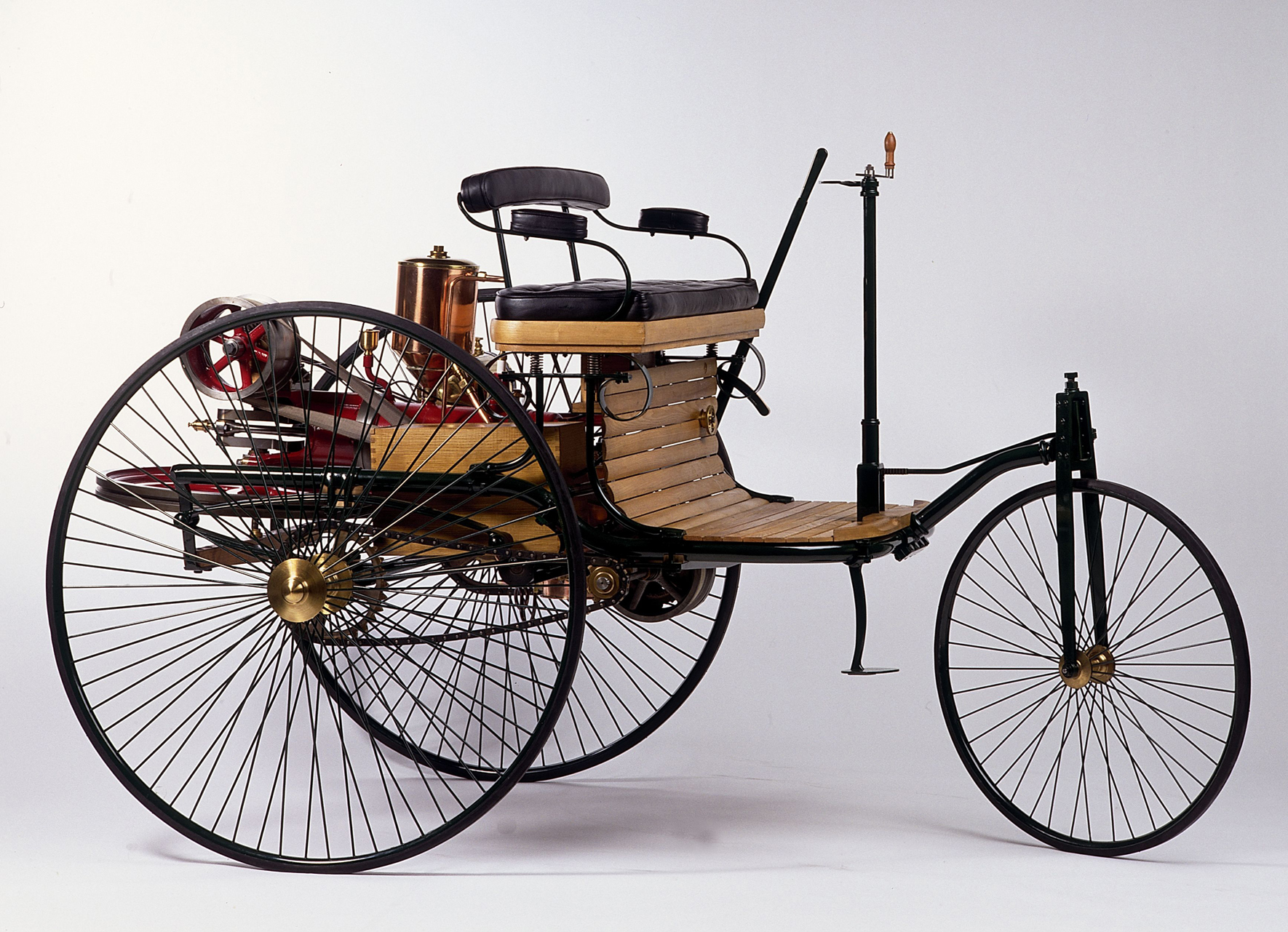
The German Karl Benz designed a motorized tricycle, in 1888 Karl's wife
Bertha Benz became the first person to drive a long distance of 106 km.
With this car journey, the car's potential as a means of transport was
proven.
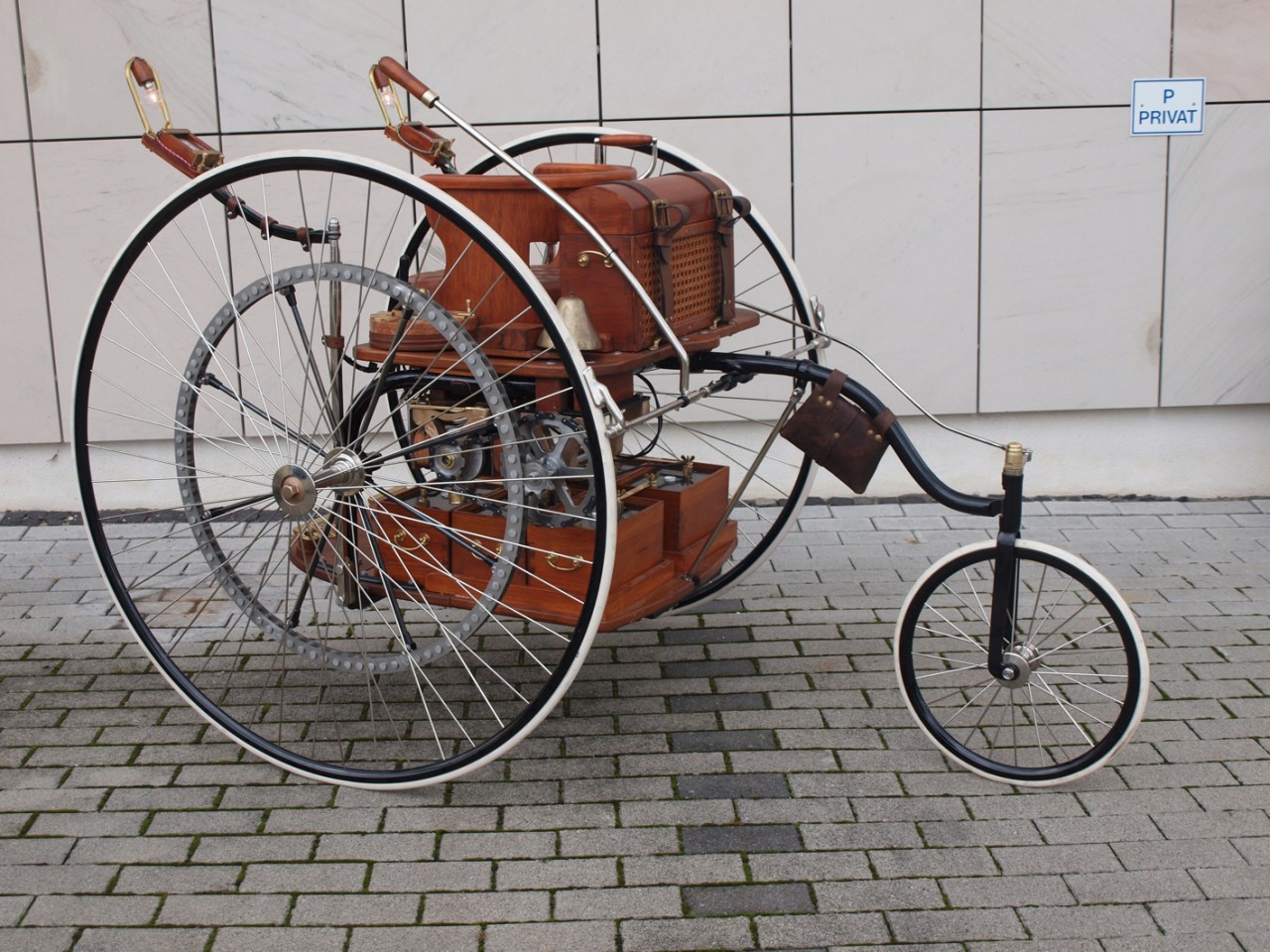
In 1888, John Kemp Starley designed an electric tricycle that was controlled
by a stick. The vehicle could reach 12-13 km / h.
In 1890, the first electric omnibus was built, which ran between Charing
Cross and Victoria in London. Shortly afterwards, when petrol cars began to
arrive, interest in electric cars began to cease in Great Britain and also
in France.
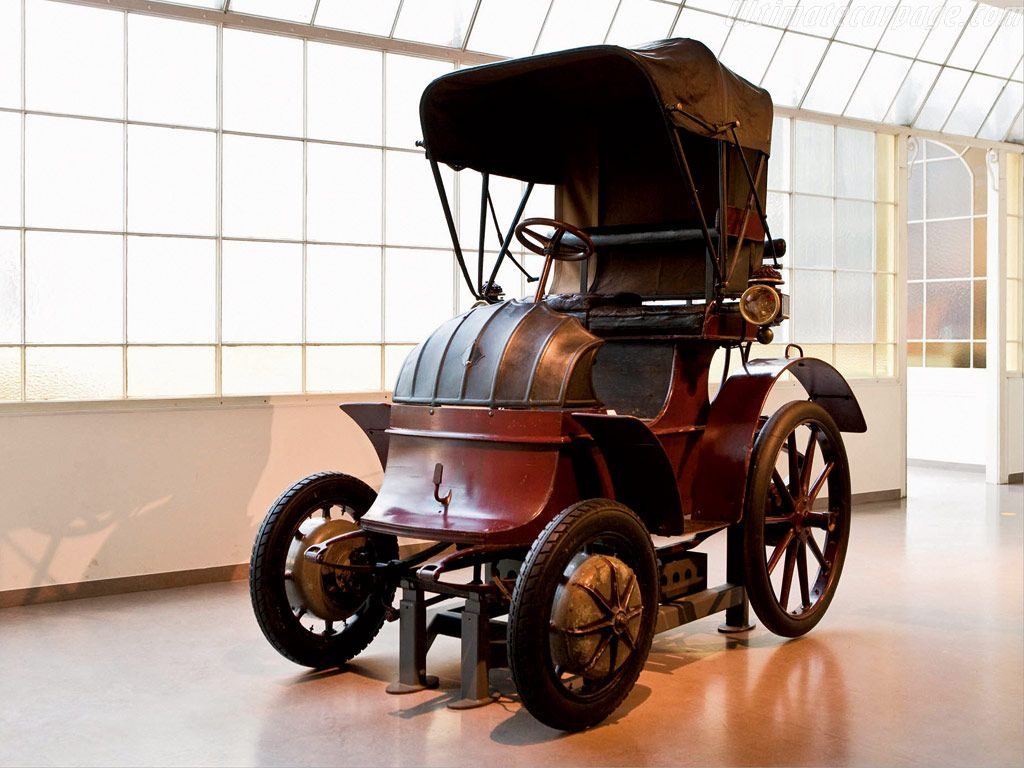
In the USA in the 20th century, the electric car flourished, it was also
manufactured for export to Europe. But weaknesses with the range of
charging, heavy expensive batteries reduced interest even in the US and even
then the popularity of gasoline cars increased. As a result, electric car
production was discontinued early until fairly recently.
Mass production of fuel cars accelerated American Henry Ford! The Ford was
manufactured in 15 million copies between 1908-1927. The mass production
made it possible to replace parts when it broke, which meant that not only
the richest people could afford to own a car.

In the 1950s, cars on the road increased sharply. The development had led to
faster cars.
There were more traffic accidents, which led to people starting to think
more about the safety of the car and consequently also the environment as
people became largely dependent on means of transport.
Between 1956-1996 a lot happened in laws and car safety such as
More highways were built around the world.
Wisconsin became the first US state to introduce safety belts in the car as
standard.
The air bag came on the market and was installed in many cars.
GPS was introduced.
In 1980, anti-lock brakes were introduced.
1996 petrol costs rise and the environmental impact of petrol leads to the
electric car starting production again.
2003 An American car company called Tesla is founded which manufactures
electric cars and their goal is to stop the internal combustion engine and
its major environmental impact. They are also big in security and automatic
functions. Such as automatic driving and pocket parking.
In 2016, the first self-driving cars will be tested by various companies
around the world. Even today, there is no such thing on the market yet¨.
They are researched daily about solutions and improvements, the goal is to
achieve the zero vision of emissions and deaths in traffic!
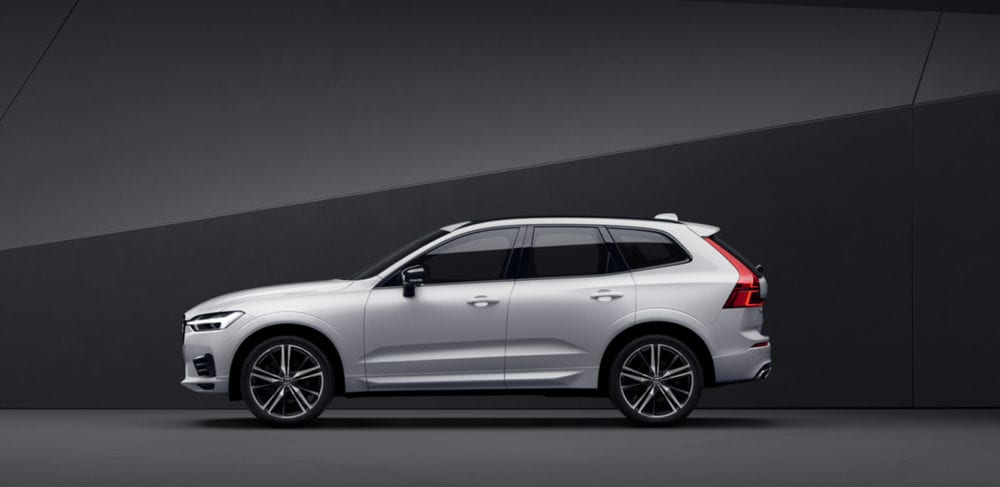
I believe that the electric car is the solution of the future for a much
greener climate.
More and more companies are starting to invest in electric cars.
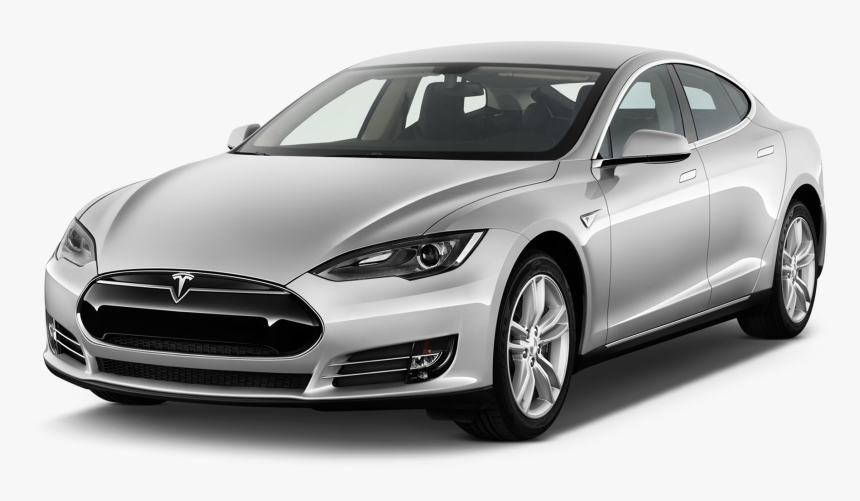
The future looks promising for the environment.